


Teeth Whitening
SOUTHBURY DENTISTRY & IMPLANTS
Teeth Whitening Overview
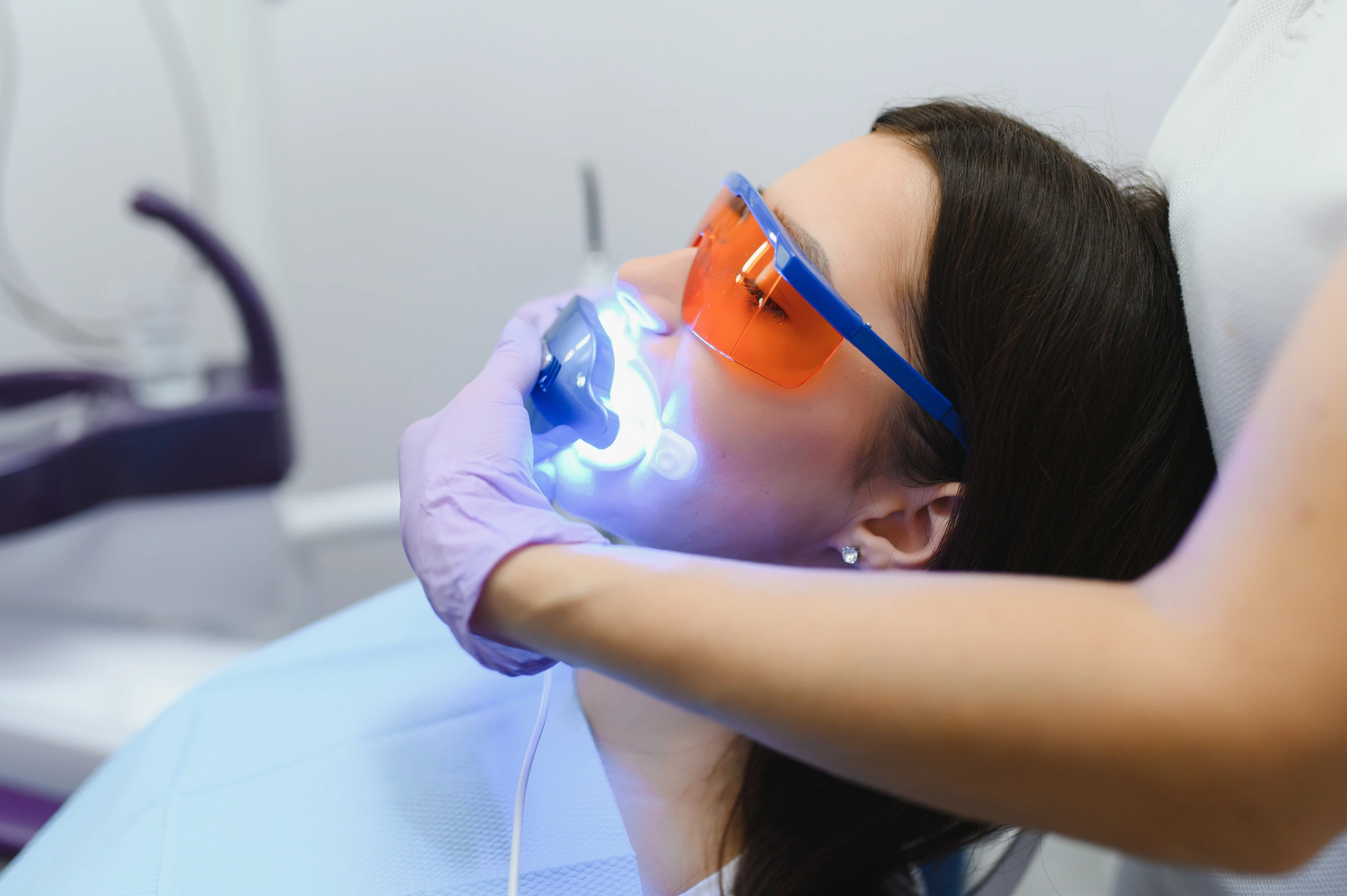
Teeth whitening uses bleaching agents to lighten the color of natural teeth. The starting point is understanding the discoloration, the health of your teeth and gums, and the result you hope to achieve.
What Is Causing the Color Change?
Coffee, tea, tobacco, aging, medications or an earlier tooth injury can affect color. The cause matters because discoloration does not respond to every whitening method the same way.
A single tooth that has become darker deserves examination before bleaching.
Planning Professional Whitening
Check the teeth and gums first
An examination helps identify decay, gum problems, existing dental work and sensitivity that could affect treatment.
Choose an appropriate approach
Professional whitening may be provided through dentist-supervised treatment at home or treatment performed in a dental office. Ask which method is recommended and what it involves.
Account for existing restorations
Crowns, fillings and veneers do not lighten along with natural teeth. Discuss whitening before selecting the shade of new visible restorations.
Sensitivity and Whitening
Temporary tooth sensitivity and gum irritation can occur. Tell your dentist if you already have sensitive teeth and ask what to do if symptoms develop.
Keeping the Result in Perspective
The amount of lightening varies with starting color, type of discoloration and treatment used. Whitening is not permanent, and future staining can change appearance again.
Teeth Whitening Questions
Is a cleaning the same as whitening?
No. Cleaning removes deposits and some surface stains; bleaching changes the color of natural teeth.
Can I use store-bought whitening products?
Some over-the-counter products can lighten teeth, but suitability and instructions still matter, especially with sensitivity or visible dental work.
Will whitening make all my teeth the same color?
Not necessarily. Teeth can start at different shades and restorations retain their existing color.
How often can I whiten my teeth?
There is no single maintenance schedule for every product or patient. Follow the instructions for your specific method.
Talk with Us About Tooth Color
Tell us whether you are concerned about overall darkening, a single tooth or how natural teeth look beside existing dental work.
Teeth Whitening at Southbury Dentistry & Implants
Teeth whitening uses bleaching agents to lighten natural teeth. Planning starts with the cause of discoloration, oral health and the result you hope to achieve.
What Is Causing the Color Change?
Coffee, tea, tobacco, aging, medications or an earlier injury can affect color. A single darker tooth deserves examination before bleaching.
Planning Professional Whitening
Check teeth and gums first
An examination identifies decay, gum problems, existing dental work and sensitivity that could affect treatment.
Choose an appropriate approach
Professional whitening may be provided through dentist-supervised treatment at home or treatment in a dental office. Ask which method is recommended.
Account for existing restorations
Crowns, fillings and veneers do not lighten with natural teeth. Discuss whitening before selecting shades for new visible dental work.
Sensitivity and Expectations
Temporary sensitivity and gum irritation can occur. The amount of lightening varies and whitening is not permanent.
Teeth Whitening Questions
Is a cleaning the same as whitening?
No. Cleaning removes deposits and some surface stains; bleaching changes natural tooth color.
Will whitening make all my teeth the same color?
Not necessarily. Natural teeth can respond differently and restorations retain their existing color.
How often can I whiten my teeth?
There is no single maintenance schedule for every product or patient.
Talk with Us About Tooth Color
Tell us whether you are concerned about overall darkening, a single tooth or how natural teeth look beside existing dental work.